Buying Luxury Real Estate in Miami: What International Buyers Should Know in 2026
Miami has evolved far beyond its reputation as a vacation destination.
For international buyers, entrepreneurs, executives, and families relocating from Europe, New York, Latin America and other major markets, Miami has become a place to establish a residence, diversify real-estate holdings and enjoy a lifestyle that combines privacy, international connectivity and year-round access to the water.
But buying luxury real estate in Miami is not simply about choosing the most impressive property.
The right purchase starts with understanding where to buy, what creates long-term value, how the transaction works and which mistakes to avoid.
Here are some of the most important considerations international buyers should understand before purchasing a luxury property in Miami.
1. Miami Is Not One Luxury Market
One of the biggest mistakes buyers make is treating Miami as a single real-estate market.
It is not.
The lifestyle and investment profile can change dramatically from one neighborhood to another.
Miami Beach offers proximity to the ocean, nightlife, restaurants and some of Miami's most recognizable waterfront properties.
Coconut Grove provides a completely different environment: mature landscaping, privacy, family-oriented residential streets, marinas and proximity to some of Miami's best schools.
Coral Gables attracts buyers looking for larger properties, established neighborhoods and a more traditional residential environment.
Brickell offers high-rise living in Miami's financial center, with restaurants, offices and luxury developments within walking distance.
Edgewater provides waterfront condominium living with direct access to Downtown, Miami Beach and the Design District.
Then there are highly specific luxury communities such as the Venetian Islands, Bay Point, Morningside, Pinecrest, Bal Harbour and Surfside.
The right neighborhood depends on how you actually intend to live in Miami.
Before looking at properties, a buyer should answer a more important question:
What should your life in Miami look like?
2. The Most Beautiful Property Is Not Always the Best Purchase
Luxury buyers understandably focus on architecture, finishes and design.
But the elements that often protect value the most cannot easily be changed.
You can renovate a kitchen.
You can replace flooring.
You can redesign an entire interior.
You cannot easily change the location of the property, the orientation of the lot, the quality of the street, the water access, the surrounding homes or the privacy of the property.
In luxury real estate, scarcity matters.
A well-positioned home in the right location may ultimately be a stronger purchase than a more impressive house in a weaker location.
The same principle applies to condominiums.
Floor height, exposure, view corridors, layout, building quality and resale competition can sometimes matter more than expensive finishes.
3. International Buyers Can Purchase Property in Florida
Foreign buyers routinely purchase residential real estate in Miami.
However, how the property is purchased deserves careful consideration.
Depending on the buyer's situation, questions may include:
- Whether to purchase personally or through a legal entity
- U.S. tax exposure
- Estate-planning considerations
- Financing options
- FIRPTA implications when the property is eventually sold
- Insurance and ownership costs
- Residency and immigration considerations
A real-estate advisor should coordinate the transaction with the appropriate attorneys, accountants, lenders and other specialists when necessary.
Real estate should not be viewed independently from the buyer's broader financial structure.
4. Cash Is Not Always Necessary
Many international buyers assume purchasing property in the United States requires paying entirely in cash.
That is not necessarily the case.
Financing options may be available to foreign nationals and international buyers, although lending requirements can differ significantly from conventional U.S. residential mortgages.
Lenders may consider factors including liquidity, income documentation, reserves, credit history and the size of the down payment.
For qualified buyers, financing can also be a strategic decision rather than simply a necessity.
The correct structure depends on the buyer's financial objectives.
5. Understand the True Cost of Ownership
The purchase price is only one component of owning luxury property in Miami.
Depending on the property, buyers should evaluate:
Property taxes, homeowners or condominium association fees, insurance, maintenance, property management, reserves and potential assessments.
For waterfront homes, additional considerations can include seawalls, docks, pools, landscaping and exterior maintenance.
For condominiums, the financial condition of the building deserves particularly careful review.
Two properties with similar asking prices can have substantially different long-term ownership costs.
A sophisticated buyer should compare the total cost of ownership, not simply the acquisition price.
6. Due Diligence Matters More at the Luxury Level
The higher the value of the property, the more important thorough due diligence becomes.
For a single-family residence, this can involve reviewing the physical condition of the property, permits, roof, electrical systems, plumbing, HVAC, pool equipment, structural elements and insurance considerations.
Waterfront properties can require additional attention to seawalls, docks and marine infrastructure.
For condominiums, buyers should understand the association's financial position, reserves, insurance, pending assessments and relevant building documentation.
Luxury does not eliminate risk.
Sometimes it simply makes mistakes more expensive.
7. Think About Resale Before You Buy
Even buyers planning to own a home for many years should consider resale before purchasing it.
The question is simple:
If you needed to sell this property tomorrow, who would want to buy it?
Properties with strong layouts, desirable locations, quality construction, privacy, views and other difficult-to-replicate characteristics typically have a broader future buyer pool.
Extremely personalized properties can be extraordinary places to live but potentially more difficult to resell.
A good acquisition should balance personal preference with marketability.
8. Off-Market Opportunities Can Matter
Not every important luxury property in Miami is publicly marketed.
At the upper end of the market, sellers often value discretion.
Some properties are introduced privately through relationships between brokers, owners, developers and their networks before they ever appear publicly.
For serious buyers, having representation with strong local relationships can therefore expand the available inventory beyond what appears on public real-estate websites.
9. Representation Should Be About More Than Showing Properties
Finding listings is easy.
Information is everywhere.
The value of a real-estate advisor should come from helping a buyer determine:
Which property should I buy?
Which property should I avoid?
What is the property actually worth?
How strong is my negotiating position?
What risks am I missing?
How easy will this property be to resell?
Does this purchase make sense compared with the alternatives?
A buyer's agent should not simply open doors.
The job is to reduce uncertainty and help the client make a better decision.
Final Thoughts
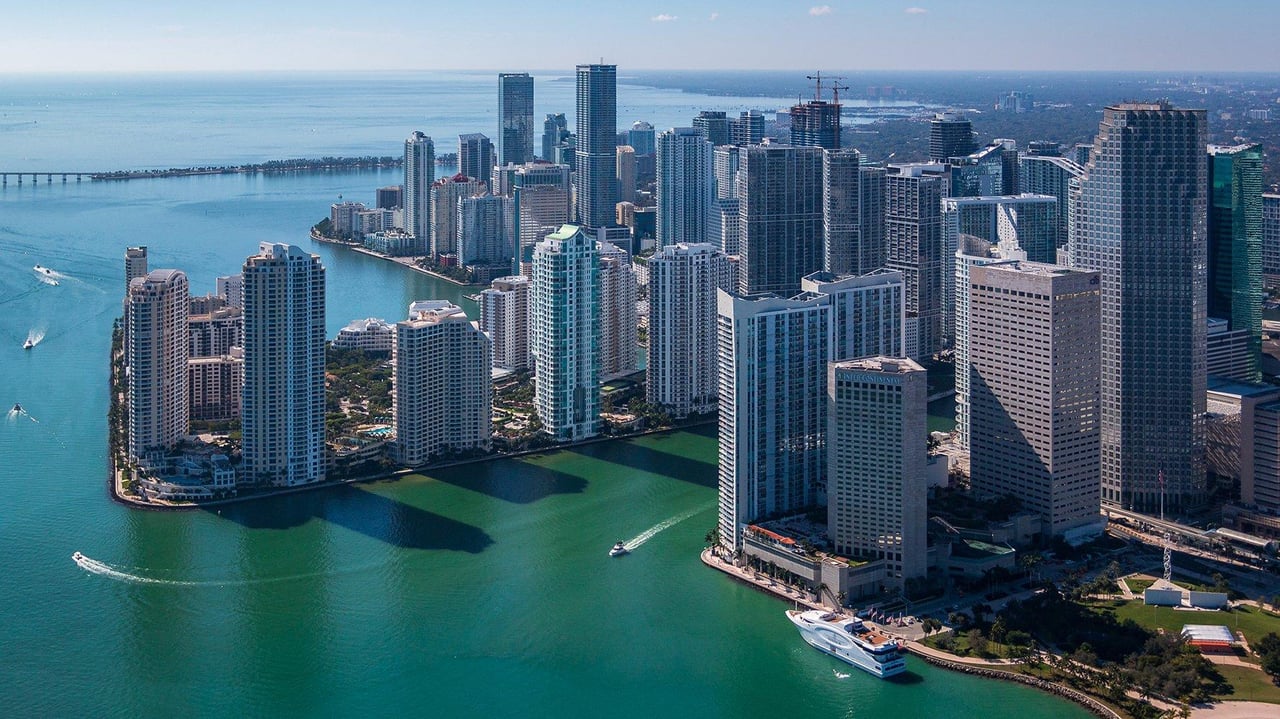
Miami offers an extraordinary range of luxury real estate, from waterfront estates and private residential communities to branded residences and modern condominiums overlooking Biscayne Bay.
But a successful purchase is rarely about finding the most expensive property.
It is about finding the right combination of location, scarcity, lifestyle, quality and long-term value.
At Camporesi Papeo Group, we advise local and international clients throughout Miami's luxury residential market, helping buyers evaluate properties from both a lifestyle and investment perspective.
If you are considering purchasing a home, second residence or investment property in Miami, we would be happy to help you understand the market before you make a decision.
Camporesi Papeo Group
Refined. Connected. Relentless.
Miami Luxury Real Estate | Buyer Representation | Relocation | International Clients